Why Mold Remediation Detroit Property Owners Need a Pro Approach
Understanding the Mold Problem in Detroit Homes
Living in Detroit means dealing with older housing stock, humid summers, and harsh winters that test every building envelope. I have walked through enough basements and crawl spaces in this city to know that mold is not just a cosmetic issue. It is a structural and health problem that demands a serious response. The phrase "mold remediation Detroit" gets thrown around a lot, but what does it actually mean for a property owner here? It means understanding that mold spores are everywhere, and the real work is in fixing the moisture source and cleaning up the growth without spreading it further.
I remember a job in a bungalow near Hamtramck where the homeowner had tried to scrub visible mold off the drywall with bleach water. By the time I arrived, the spores had been aerosolized throughout the HVAC system. That is a classic mistake. Bleach does not kill mold on porous surfaces, and it certainly does not address the humidity that let the mold grow in the first place. That is why professional mold remediation Detroit services focus on moisture control, containment, and proper removal methods that go beyond surface cleaning.
Why Moisture Control Comes First
Mold needs three things to thrive: a food source (like drywall, wood, or dust), temperatures between about 40 and 100 degrees Fahrenheit, and moisture. In a Detroit home, moisture can come from a leaky roof, a cracked foundation, a clogged gutter, or simple condensation on cold pipes. I have seen water damage from a slow plumbing leak turn a finished basement into a mold farm within weeks. The first step in any serious remediation plan is to find and fix the water entry point. Without that, any cleaning is just temporary.
An air quality monitor can help you track humidity levels in your home. Ideally, you want indoor relative humidity between 30 and 50 percent. In the summer, that often means running a dehumidifier in the basement or crawl space. I tell property owners to buy a dehumidifier with a built-in pump so you can drain it continuously into a floor drain or sink. Otherwise, you will be emptying a bucket every day, and that gets old fast. A dehumidifier is one of the best investments you can make for preventing mold growth, especially in older Detroit houses with unsealed foundations.
The Role of Expert Inspection and Mold Testing
Before you start tearing out drywall or scrubbing surfaces, you need to know what you are dealing with. Expert inspection by an Industrial Hygienist or a qualified mold inspector can identify the type of mold present and the extent of the contamination. They will use tools like moisture meters, thermal imaging cameras, and air sampling devices to map out the problem. Mold testing can tell you whether the spores in the air are at safe levels or if they represent a health hazard. This is not something you can DIY with a $20 kit from a big box store. Those kits often give false negatives or vague results that do not help you decide on a course of action.
I have seen cases where a property owner spent thousands on mold remediation based on a visual inspection, only to find out later that the mold was mostly surface-level and could have been cleaned with a proper antimicrobial solution. Conversely, I have seen situations where someone painted over a small patch of mold, and within months it had spread behind the paint into the wall cavity. That is why a professional assessment is worth the money. It gives you a clear plan and prevents wasted effort.
How Professional Remediation Works
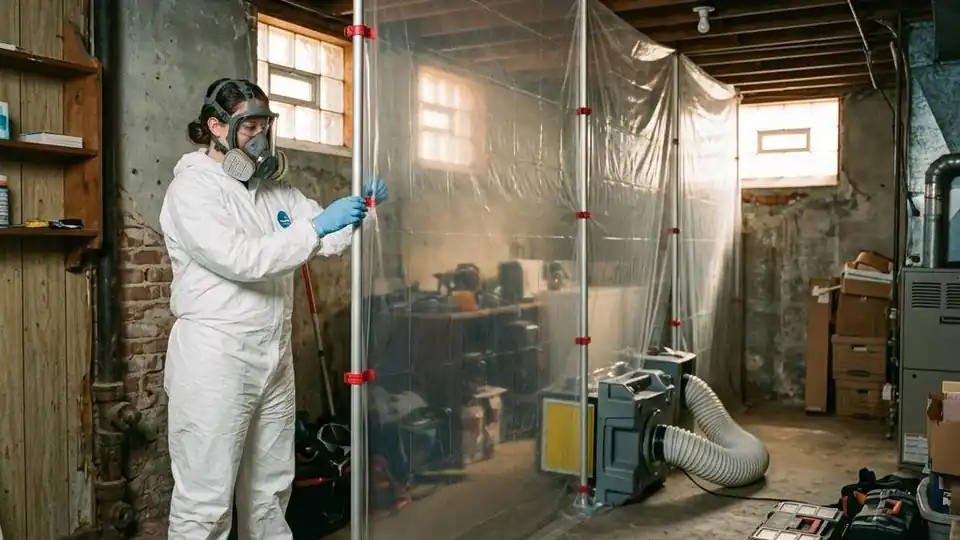
Professional mold remediation is not just about scrubbing. It involves containment, air filtration, removal of contaminated materials, and application of antimicrobial treatments. The goal is to remove the mold and its spores without spreading them to other parts of the building. This often means sealing off the work area with plastic sheeting, running a negative air machine with a HEPA filter, and wearing proper personal protective equipment. Workers may use products like Concrobium or RMR-141 to treat affected surfaces. These are EPA-registered antimicrobial products that kill mold and help prevent regrowth. Mold Armor is another common brand you will see at Lowe's or Home Depot, but it is important to use the right product for the specific surface and type of mold.
In some cases, especially after fire restoration or severe water damage, you may need to remove and replace drywall, insulation, or carpeting. Porous materials that cannot be thoroughly cleaned must be discarded. That is hard to accept, but it is the only way to ensure the mold does not come back. I have had to tell homeowners that their grandmother's antique dresser had to go because it was riddled with mold deep in the wood grain. That is never a pleasant conversation, but honesty is part of the job.
Long-Term Prevention and Indoor Air Quality
Once the mold is gone, the next step is keeping it away. That means controlling humidity, fixing leaks promptly, and ensuring your HVAC system is properly sized and maintained. An oversized air conditioner will cool the air quickly but may not run long enough to dehumidify it. That can leave the space feeling clammy and conducive to mold growth. A good HVAC contractor can help you balance the system for both temperature and humidity control.
I also recommend using a HEPA filter in your vacuum cleaner and considering a whole-house air purifier if you have persistent allergy issues. An indoor air quality monitor can give you real-time feedback on humidity, temperature, and particulate levels. Some models even connect to your phone and send alerts when conditions are ripe for mold. That kind of data can help you catch problems early, before they turn into a full-blown infestation.
When to Call in the Pros for Mold Remediation Detroit
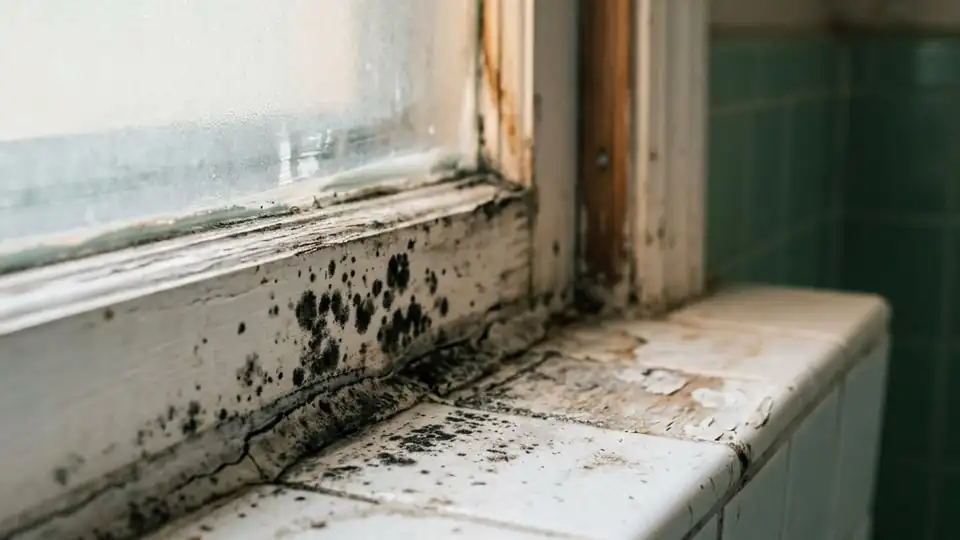
Not every mold situation requires a professional crew. If you have a small patch of surface mold on a non-porous surface like tile or glass, you can clean it yourself with a detergent solution or a product like Concrobium. But if the affected area is larger than about 10 square feet, or if the mold is growing on porous materials like drywall or wood, or if you have health concerns like asthma or allergies, it is time to call in a qualified professional. The EPA recommends professional remediation for any mold problem that covers more than a small area, especially if the water damage is extensive.
Detroit has its own challenges when it comes to mold. The city's older homes often have outdated plumbing, unsealed foundations, and poor ventilation. Many properties have been through fire restoration or water damage from burst pipes during the winter. In those cases, the mold remediation Detroit process needs to be thorough and systematic. A good contractor will work with you to identify the source of moisture, contain the affected area, remove and replace damaged materials, and apply antimicrobial treatments to prevent regrowth. They should also provide documentation of the work done and clear instructions for preventing future problems.
I have seen too many property owners try to cut corners by painting over mold or using bleach, only to end up with a bigger problem later. Mold is not something you can ignore or cover up. It will keep growing until you address the moisture source and remove the contamination. That is why professional mold remediation Detroit services exist. They bring the equipment, knowledge, and experience to do the job right the first time.

Final Thoughts on Protecting Your Property
If you own property in Michigan, especially in the Detroit area, you need to take mold seriously. It can damage your home, lower your property value, and affect your health. The good news is that mold problems are preventable and correctable with the right approach. Start by controlling moisture, invest in a dehumidifier and an air quality monitor, and do not hesitate to call for an expert inspection if you see signs of mold growth. The cost of professional remediation is small compared to the cost of replacing structural materials or dealing with long-term health issues.
Whether you are dealing with a small spot in the bathroom or a full-scale infestation in the basement, the principles are the same: find the water source, remove the mold safely, and take steps to keep the space dry. With the right tools and a little know-how, you can keep your Detroit home healthy and mold-free for years to come.